
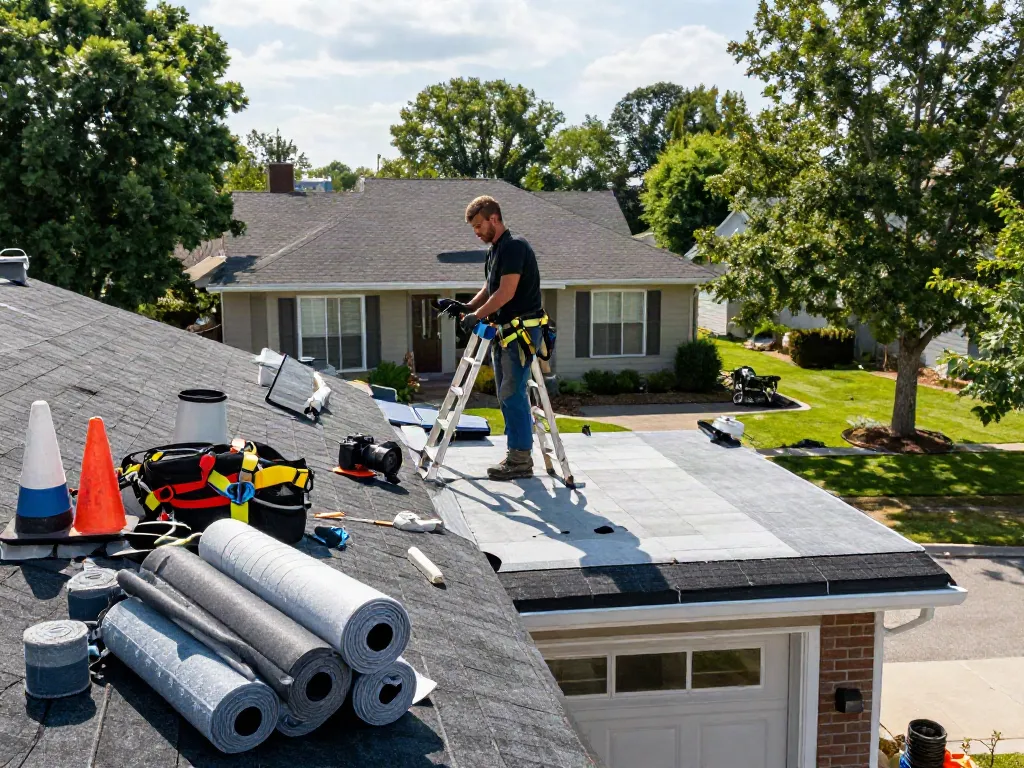
Understanding Felt Roof Replacement
Felt roofing is a popular choice for many homeowners due to its versatility, durability, and cost-effectiveness. However, as roofs age and weather conditions take their toll, the need for felt roof replacement becomes evident. This comprehensive guide will help you understand the ins and outs of felt roof replacement, from choosing the right materials to finding trusted contractors in your area. When exploring options, felt roof replacement provides comprehensive insights that can guide your decisions.
What is Felt Roofing?
Felt roofing, often used for flat and low-pitched roofs, is a waterproofing solution made from layers of felt material, typically infused with bitumen. This type of roofing is often seen on garages, extensions, and commercial buildings, where traditional pitched roofing is impractical. The installation involves laying down multiple layers of roofing felt, which are then adhered using heat or adhesive to create a seamless waterproof barrier.
Benefits of Felt Roof Replacement
Replacing an aging felt roof not only ensures the structural integrity of your property but also enhances its aesthetic appeal and energy efficiency. Key benefits include:
- Improved Waterproofing: New felt roofs provide better protection against leaks and water damage.
- Increased Energy Efficiency: Modern materials often come with insulation options that help lower energy costs.
- Extended Lifespan: With proper installation, new felt roofs can last for decades.
- Aesthetic Updates: A new roof can improve your home’s overall appearance.
Common Myths about Felt Roofing
There are several misconceptions surrounding felt roofing that may deter homeowners from choosing this option.
- Myth 1: Felt roofs are not durable. Fact: When properly installed with high-quality materials, felt roofs can last over 20 years.
- Myth 2: Felt roofing is only suitable for small structures. Fact: Felt roofing is versatile and can be used on various building types.
- Myth 3: All felt roofs are the same. Fact: Different types of felt materials offer varying levels of performance.
Choosing the Right Materials
Types of Felt Roofing Materials Available
The market offers several types of felt roofing materials, each suited for different needs. The most common include:
- Bitumen Felt: Traditional and effective, often used for flat roofs.
- Reinforced Felt: Offers greater durability, ideal for areas with heavy rainfall or foot traffic.
- EPDM Rubber Roofing: A synthetic option that provides excellent waterproofing and UV resistance.
- Fiberglass roofing: Lightweight and strong, with excellent insulation properties.
Factors to Consider When Selecting Materials
When choosing materials for your felt roof replacement, consider the following factors:
- Climate: Choose materials that can withstand your local weather conditions.
- Building Use: The purpose of the building can dictate the type of felt roof that is most suitable.
- Budget: While cheaper materials are available, investing in quality can reduce long-term costs.
Cost Implications of Different Materials
Materials can significantly affect the overall cost of your roof replacement. Understanding the cost implications can help you make informed decisions that fit your budget:
- Bitumen Felt: Typically more affordable but may require more maintenance over time.
- Reinforced Felt: Higher initial cost but offers longer-lasting performance.
- EPDM Rubber: Mid-range pricing, provides excellent durability and warranties.
- Fiberglass: Generally the most expensive option, but offers superior insulation.
Finding a Trusted Roofer
Qualities of a Reliable Roofing Contractor
Selecting the right contractor for your felt roof replacement is crucial. Look for roofers who exhibit the following qualities:
- Experience: Verify their years in business and familiarity with felt roofing.
- Licensing and Insurance: Ensure they have the necessary certifications and insurance coverage.
- References: Ask for testimonials or contact past clients to gauge satisfaction.
Questions to Ask Your Roofer
When interviewing potential roofers, be sure to ask the following questions:
- How long will the project take?
- What warranties are included with the materials and workmanship?
- Can you provide a written estimate?
- Will you remove the existing roofing material?
Checking References and Reviews
Online reviews and personal references can provide insights into a contractor's reliability. Follow these tips to thoroughly vet your roofer:
- Read multiple reviews on different platforms.
- Look for consistent feedback regarding quality and service.
- Contact previous clients for direct testimonials.
The Replacement Process Explained
Step-by-Step Guide to Replacing a Felt Roof
Understanding the typical steps involved in felt roof replacement can help set your expectations:
- Inspection: A thorough assessment of the existing roof and structure.
- Preparation: Removal of old materials and fixing any structural problems.
- Installation: Laying the new felt, ensuring proper adhesion and coverage.
- Finishing: Sealing edges and applying any protective coatings.
Common Challenges and How to Overcome Them
During the replacement process, you may encounter challenges such as:
- Weather Delays: Schedule your project during favorable weather conditions to mitigate delays.
- Hidden Damage: Be prepared for unexpected repairs once the old roofing is removed.
- Material Shortages: Always have a backup plan for material sourcing.
Safety Tips During Roof Replacement
Your safety and that of your contractors is paramount. Here are some key safety tips to uphold during the replacement:
- Use harnesses and safety equipment when working at heights.
- Ensure the work area is clear of debris and hazards.
- Follow all local safety regulations and guidelines.
Cost Factors and Budgeting for Replacement
Assessing the Overall Costs Involved
Evaluating the costs associated with felt roof replacement can help you allocate your budget effectively. Key cost factors include:
- Material costs based on your chosen materials.
- Labor charges, which can vary by region and contractor.
- Permitting fees and disposal costs for old materials.
Comparing Quotes from Different Contractors
When assessing quotes, ensure you consider:
- The scope of work included in each quote.
- Variations in materials and labor costs.
- Payment terms and potential hidden fees.
Long-Term Financial Benefits of Proper Installation
Investing in a quality felt roof replacement can save homeowners money in the long run. A well-installed roof can:
- Reduce the frequency of repairs.
- Enhance your property’s energy efficiency and lower utility bills.
- Increase property value, making it a worthwhile investment.
What Are the Signs You Need Roof Replacement?
Recognizing the signs that indicate your felt roof needs replacement is crucial:
- Persistent leaks and water stains on ceilings.
- Visible gaps or cracks in the felt.
- Significant wear and tear or blistering of roofing materials.
How Long Does a Felt Roof Last?
Depending on the materials and installation quality, a felt roof typically lasts between 10 to 20 years. Regular maintenance can help extend its life.
Can You Replace a Felt Roof Yourself?
While some homeowners may consider a DIY approach, it's often best to hire a professional to ensure proper installation and safety compliance.
What Should You Know Before Hiring a Roofer?
Before making a final decision, ensure you are knowledgeable about roofing warranties, contractor practices, and payment expectations.
What Are the Latest Advances in Felt Roofing?
Today’s felt roofing materials benefit from advances in technology, including improved waterproofing systems and eco-friendly options that promote sustainability.
What Are the Common Mistakes to Avoid When Replacing a Roof?
To ensure a successful felt roof replacement, avoid these common pitfalls:
- Choosing the lowest bid without considering quality.
- Not conducting proper research on contractors.
- Failing to secure necessary permits and inspections.