
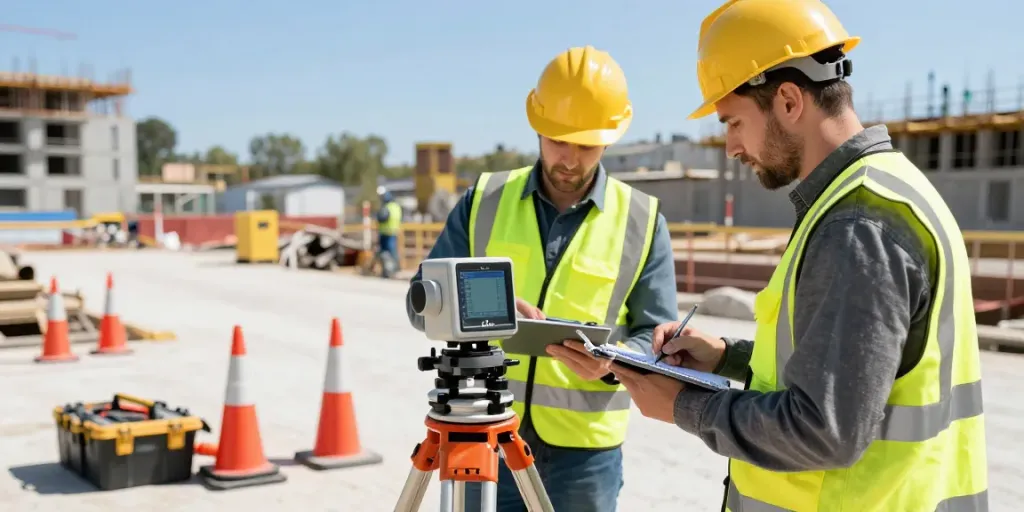
Understanding Utility Surveys and Their Importance
Utility surveys play a critical role in the planning and execution stages of construction and development projects. They enable developers, engineers, and planners to gain detailed insights into the underground utility networks that are often not visible from the surface. This information is vital for ensuring safety, reducing costs, and enhancing efficiency throughout the lifecycle of a project. For those considering hiring professionals, engaging with Utility Surveyors Surrey can offer extensive expertise in navigating complex utility mapping challenges.
What is a Utility Survey?
A utility survey is an investigation performed to locate, identify, and map out the underground utilities present in a designated area. This can include gas, water, electric, telecommunications, and drainage systems. Utility surveys are typically conducted prior to any excavation or construction work to avert potential damage to these services, which can lead to costly delays and safety hazards.
Types of Utility Surveys
- Utility Mapping: This involves detailed mapping of all underground utilities using various techniques, providing a visual representation of their locations.
- Ground Penetrating Radar (GPR) Surveys: GPR uses radar pulses to image the subsurface, allowing for the identification of utility types and their depths.
- Electromagnetic Location Surveys: These surveys employ electromagnetic fields to detect the presence and path of conductive utilities.
- Location of Buried Assets: This type of survey focuses specifically on identifying and mapping assets that are buried, ensuring they can be safely navigated around during construction.
Benefits of Hiring Professional Utility Surveyors Surrey
Employing professional utility surveyors offers several advantages, including:
- Accuracy: Professionals use advanced technologies and methodologies to ensure that utility locations are accurately mapped.
- Safety: Utility surveys reduce the risk of damaging existing services, thus enhancing site safety for workers.
- Cost Efficiency: By preventing utility damage, projects can avoid costly repairs and delays, keeping budgets intact and schedules on track.
- Regulatory Compliance: Utility surveyors are familiar with local regulations and can ensure compliance, helping to avoid legal complications.
Key Techniques Used by Utility Surveyors
Ground Penetrating Radar (GPR) Explained
Ground Penetrating Radar (GPR) is a non-invasive method that uses radar pulses to image the subsurface. The technique involves sending a radar signal into the ground and capturing the reflections that bounce back from different materials, allowing for the identification of buried utilities. GPR is particularly effective in locating non-metallic utilities such as plastic pipes and is invaluable for urban environments where many utilities coexist.
Electromagnetic Location Strategies
Electromagnetic location (EML) techniques involve inducing an electromagnetic field around a utility, which can be detected using a specialized receiver. This method is excellent for identifying metallic pipes and cables. EML can be used in conjunction with GPR to provide a comprehensive view of both metallic and non-metallic utilities in a given area.
Best Practices for Accurate Measurements
To achieve accurate results, utility surveyors should adhere to best practices, which include:
- Utilizing multiple survey methods for a thorough analysis.
- Calibration of equipment before surveys to ensure precision.
- Conducting post-survey validations to compare results against existing utility maps.
- Maintaining clear communication with clients regarding findings and recommendations.
Challenges and Solutions in Utility Surveying
Common Obstacles Utility Surveyors Face
Utility surveyors encounter several challenges, including:
- Inaccurate Utility Maps: Many existing utility maps are outdated or incorrect, posing difficulties during surveys.
- Site Accessibility: Physical barriers or adverse weather conditions can impede survey operations.
- Interference from Other Utilities: Overlapping services can complicate detection and mapping efforts.
How to Overcome Surveying Challenges
To address these challenges, utility surveyors can employ strategies such as:
- Integrating advanced technologies like GPR with traditional methods.
- Conducting thorough site assessments before surveys to identify potential obstacles.
- Collaborating with local utility companies to obtain the most accurate maps available.
Importance of Site Preparation for Surveys
Proper site preparation is essential for successful utility surveying. This includes conducting preliminary assessments, obtaining necessary permits, and ensuring the site is clear of debris and obstructions. A well-prepared site can drastically improve the efficiency of the surveying process and enhance the accuracy of the survey results.
Case Studies: Successful Utility Survey Projects in Surrey
Residential Projects: Ensuring Safety and Compliance
In a recent residential project in Surrey, utility surveyors were hired to map existing underground services prior to the construction of new housing. By employing GPR and EML techniques, they identified various buried utilities, including gas and water pipes, enabling the construction team to complete work without any incidents of utility strikes or service outages.
Commercial Developments: Efficiency through Utility Surveys
For a commercial development in Woking, utility surveys were integral to the planning phase. The surveyors conducted a comprehensive mapping using a combination of GPR and consultation with utility providers. This led to significant cost savings and a streamlined construction process as the team could plan around existing services accurately.
Infrastructure Projects: Utility Surveying for Large-scale Developments
Utility surveys are critical for large-scale infrastructure projects, such as road expansions or public transport systems. In a recent infrastructure project across Surrey, surveyors identified previously uncharted utilities that could have caused severe disruption to construction timelines. By integrating utility surveying early in the planning stages, the project was completed on time and within budget.
The Future of Utility Surveying in 2026
Emerging Technologies in Utility Surveying
The future of utility surveying is set to be transformed by emerging technologies such as Artificial Intelligence (AI) and improved data analytics. These advancements promise enhanced accuracy and efficiency, allowing surveyors to process and analyse data in real-time, paving the way for more informed decision-making.
Trends Affecting Utility Surveyors in Surrey
Trends such as increased urbanisation and sustainability initiatives are influencing the utility surveying landscape. As construction projects become more complex, the demand for precise utility surveys will continue to grow, necessitating continuous professional development for surveyors to stay abreast of new technologies and methodologies.
Preparing for Future Industry Changes
Utility surveyors must prepare for future changes by investing in training for emerging tech, such as drones and advanced GPR systems. Additionally, fostering relationships with technology providers will ensure that surveyors can access the latest tools and knowledge, positioning them to meet evolving industry demands effectively.
What is a utility survey?
A utility survey is a detailed examination of underground utility lines designed to identify their exact locations, types, and depths. This information is crucial for any construction project to avoid accidental damage to existing services.
How much is a surveyor's fee?
The cost of hiring a surveyor can vary based on several factors, including the project scope, location, and complexity of the survey. On average, utility survey fees in Surrey can range from £500 to £2,000, depending on the specific requirements.
What are two main types of surveyors?
The two main types of surveyors include land surveyors, who focus on boundary and land measurement, and utility surveyors, who specialise in mapping underground services. Each type plays a significant role in construction and development projects.
Will surveying be replaced by AI?
While AI is poised to enhance surveying capabilities, it is unlikely to replace human surveyors entirely. Instead, AI will serve as a tool that complements the expertise of surveyors, making them more efficient and effective in their work.
How can I find local utility surveyors?
Finding local utility surveyors can be done through online searches, professional networks, or recommendations from industry contacts. It's advisable to look for firms with a strong portfolio and positive reviews to ensure high-quality service.